← All Legends
The Sword in the Stone

The Once and Future King

The Legend of Arthur Pendragon

Rex Quondam, Rex Futurus

Enter the Legend

Before the Beginning

Britain in Darkness

The Romans have left. The land fractures into warring kingdoms. Saxon invaders press from the east. Britain bleeds.

In this chaos, an old man watches the stars. Merlin — prophet, wizard, kingmaker — sees what others cannot.

"A king shall come, born of dragon's blood,
who shall unite the fractured land
and bring forth an age of wonders..."

But prophecies exact a price. And this one would cost more than anyone could imagine.
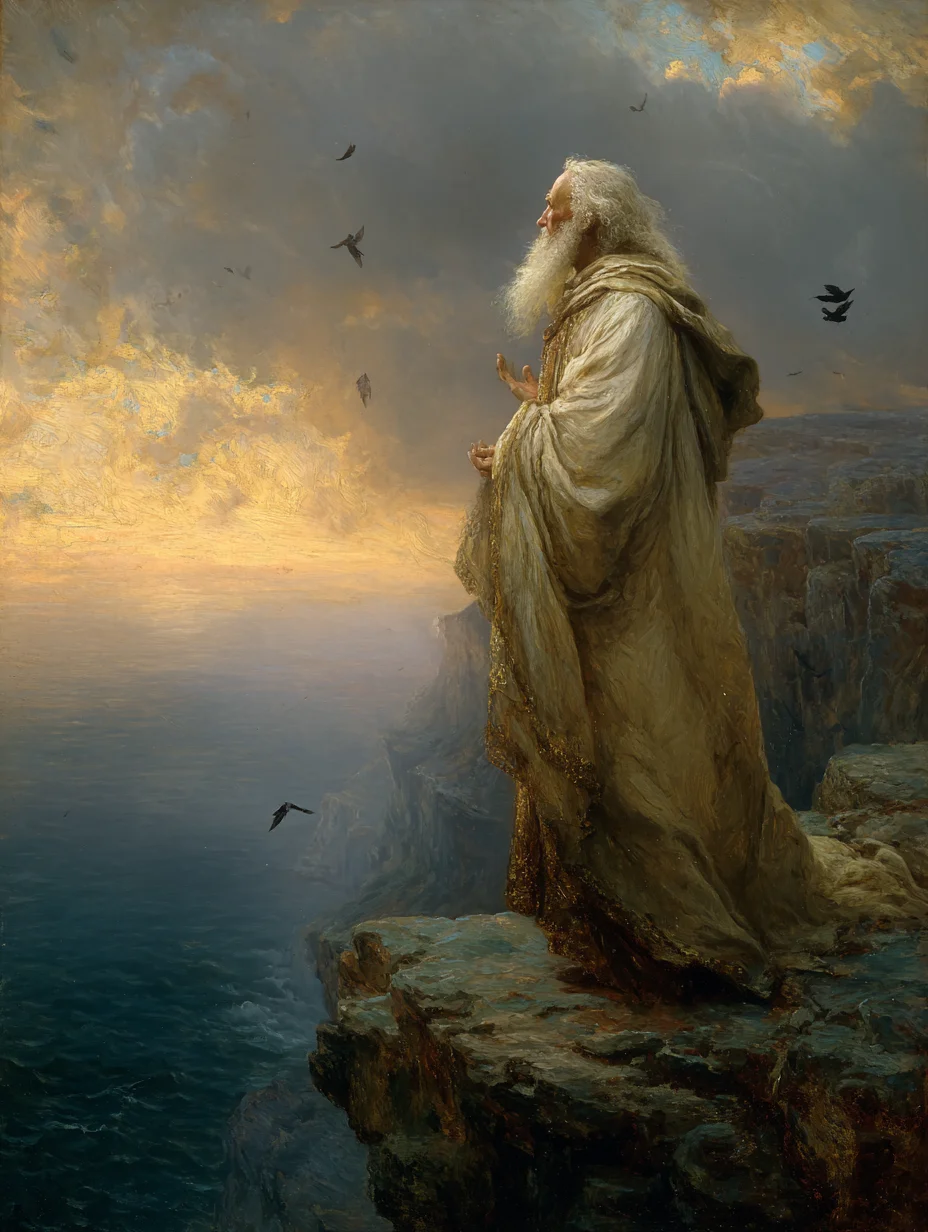
Merlin's Prophecy

A King Conceived in Shadow

Tintagel Castle, A Storm-Wracked Night

Uther Pendragon, High King of Britain, burns with forbidden desire for Igraine, wife of his enemy the Duke of Cornwall.

Merlin offers a terrible bargain: he will give Uther the face of the Duke for one night. In return, Merlin will take the child that results.

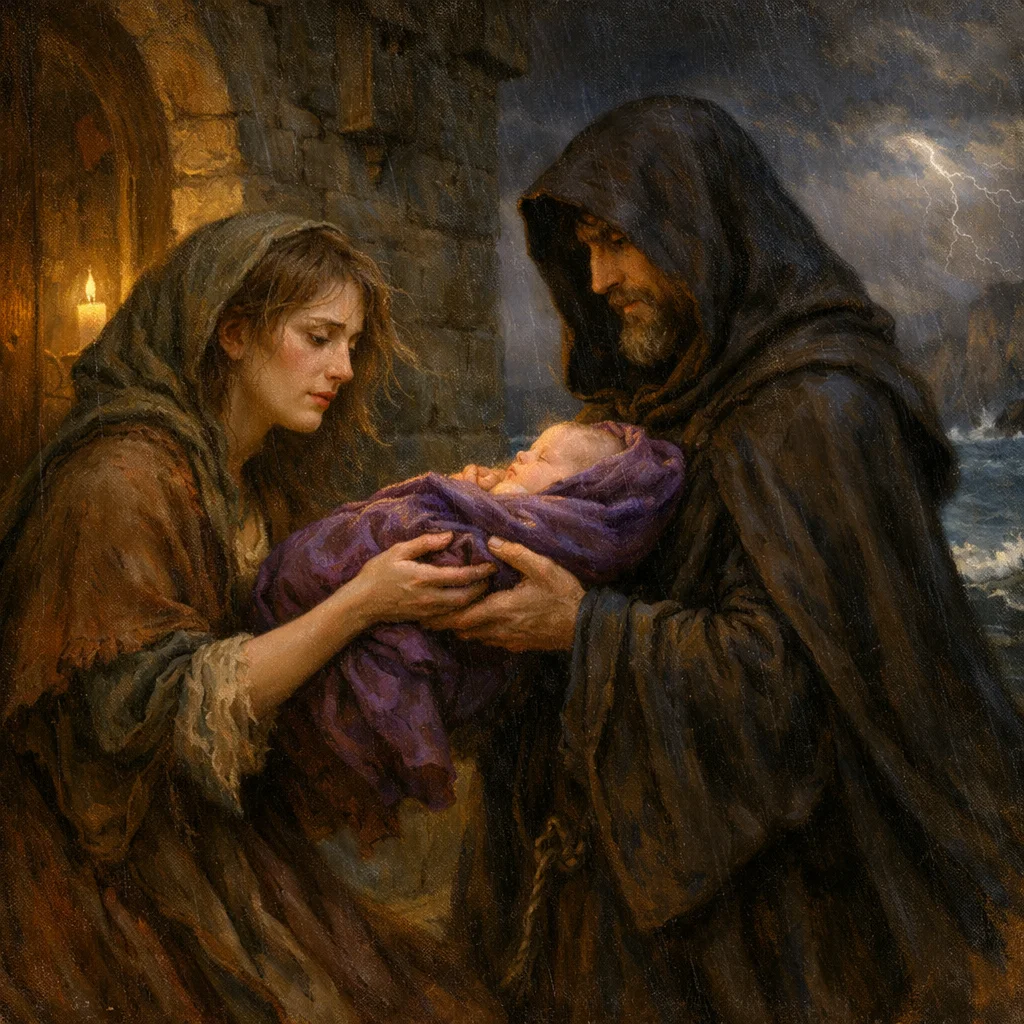
That night, as the real Duke dies in battle, Uther enters Tintagel in disguise. Nine months later, a boy is born — Arthur.

Before dawn breaks, Merlin spirits the infant away. The boy will be raised in secret, ignorant of his true lineage, until the stars align once more.

"The child is not for you to raise. He belongs to Britain."
— Merlin to Uther Pendragon
The Secret Birth at Tintagel

The Sword in the Stone

London, Christmas Day

Fifteen years pass. Uther dies without a known heir. Britain descends into chaos as petty lords vie for the crown.

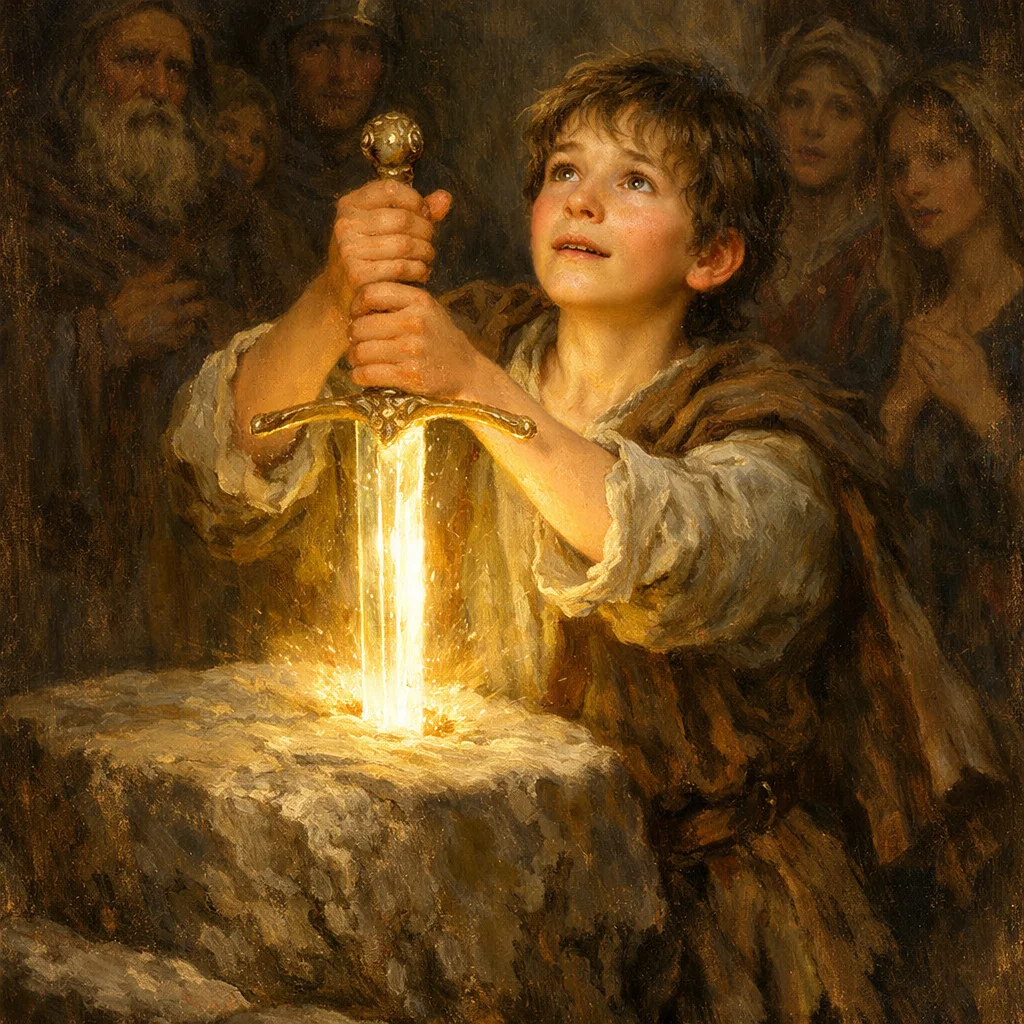
Then, in a London churchyard, a miracle appears: a great stone with an anvil atop it, and thrust through both — a magnificent sword.

"Whoso pulleth out this sword from this stone and anvil is rightwise King born of all England."

Every lord tries. Every lord fails. The sword remains fixed — until a squire named Arthur, looking for a replacement blade for his foster brother, wraps his hands around the hilt...

And draws it free as easily as unsheathing from leather.

The Sword in the Stone

The Golden Age of Camelot

Arthur proves himself in battle after battle, uniting the fractured kingdoms. He marries the beautiful Guinevere and builds Camelot — a city of justice and wonder.

The Round Table
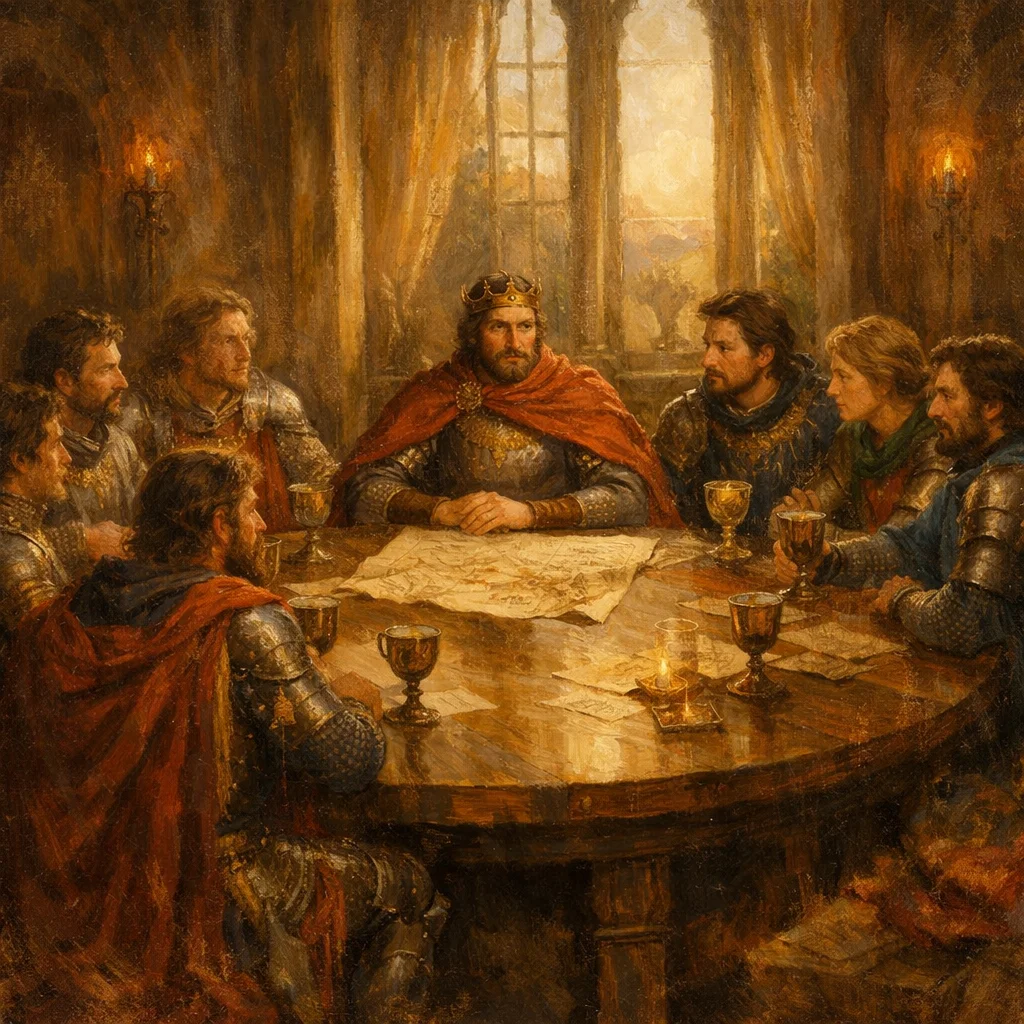
The Round Table

At its center: a table with no head. All knights equal. Merit over birth. Justice over tyranny. An idea so radical it would echo through the centuries.

Sir Lancelot
The Greatest Knight
Sir Gawain
The King's Nephew
Sir Percival
The Pure
Sir Galahad
The Perfect Knight
"Might for Right. That was Arthur's great idea — to use strength in the service of justice, not for personal gain."
— T.H. White, The Once and Future King

The Holy Grail

The Quest That Would Scatter Them

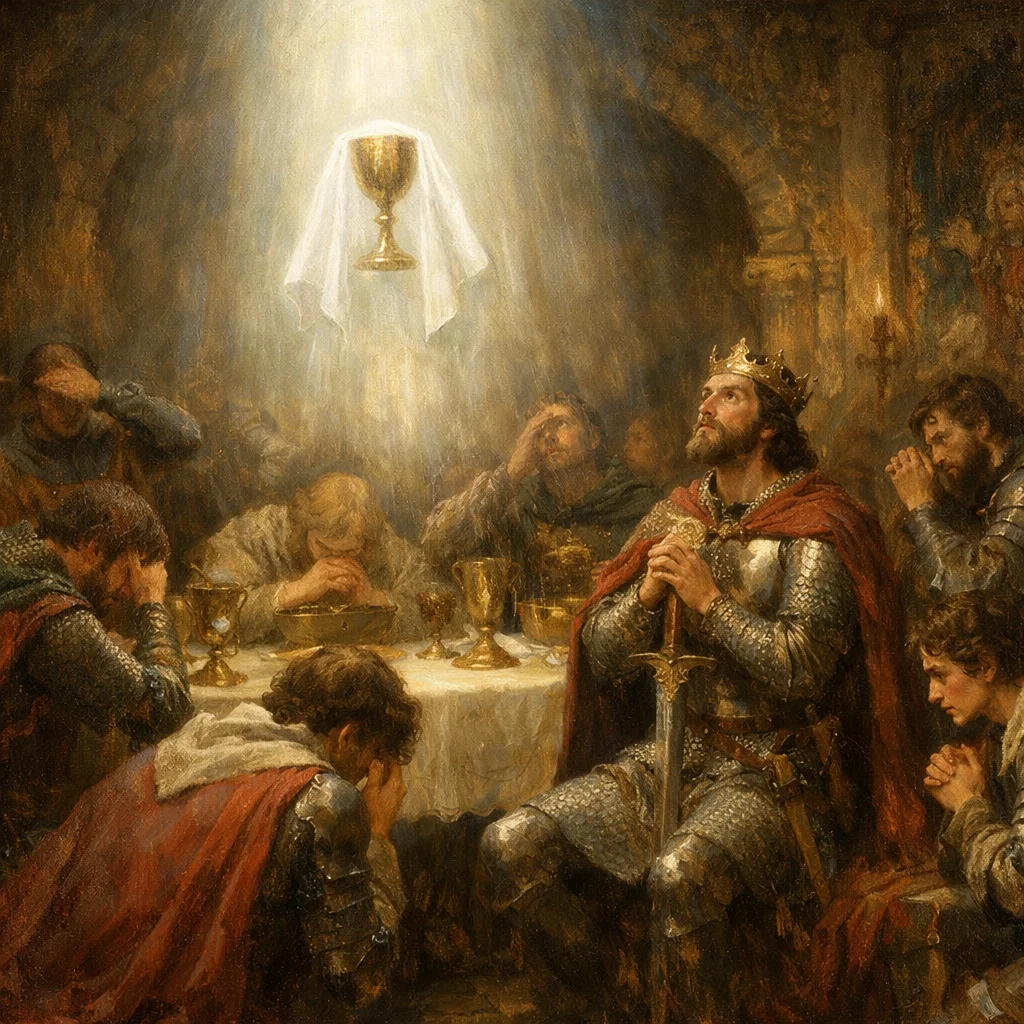
One Pentecost, a vision appears in Camelot's great hall: the Holy Grail, the cup of Christ, veiled in white samite, floating through the chamber.

Then it vanishes. And the knights, overwhelmed by holy longing, swear to quest for it — not knowing this search will doom them.

For the Grail can only be achieved by the spiritually pure. Most will fail. Many will die. Only three will glimpse it. Only one — Sir Galahad — will achieve it fully, and ascend to heaven.

The quest succeeds in finding the Grail. It fails in everything else. When the survivors return, Camelot is diminished — and darker forces are moving.

The Holy Grail Appears

The Unraveling

Seeds of destruction, planted long ago, now bear bitter fruit.

The Forbidden Love

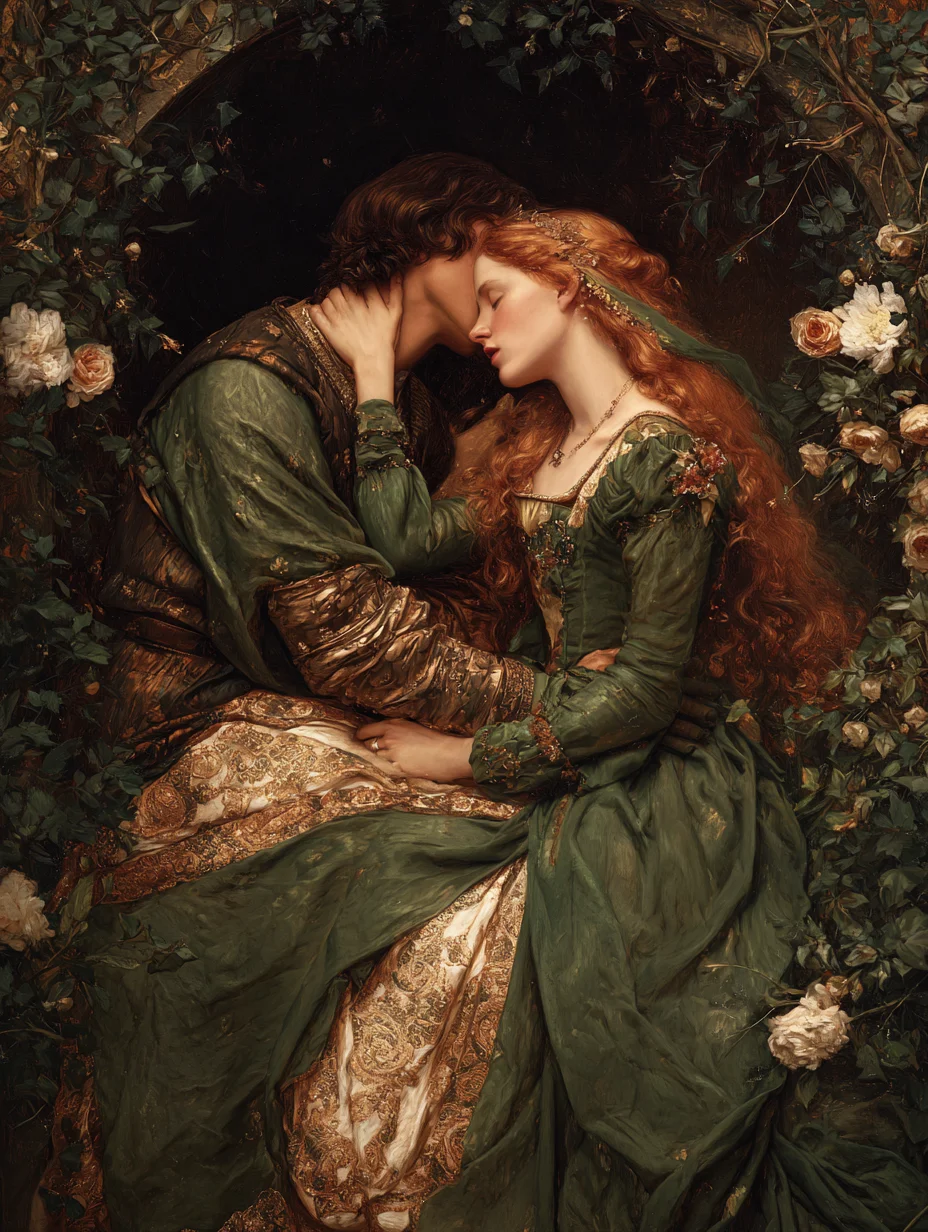
Lancelot and Guinevere — Arthur's greatest knight and his queen — have loved each other for years. Arthur knows. He looks away, for he loves them both.

The King's Sin

Years ago, before his marriage, Arthur lay with Morgause — not knowing she was his half-sister. From that union came Mordred.

Mordred's Plot

Mordred, raised on hatred, forces the affair into the open. Arthur must condemn Guinevere to death by law — his own law. Lancelot rescues her, killing knights in the escape.

The Kingdom Fractures

Arthur pursues Lancelot to France. In his absence, Mordred seizes the throne and claims Guinevere. Arthur must return to face his own son in war.

Lancelot and Guinevere
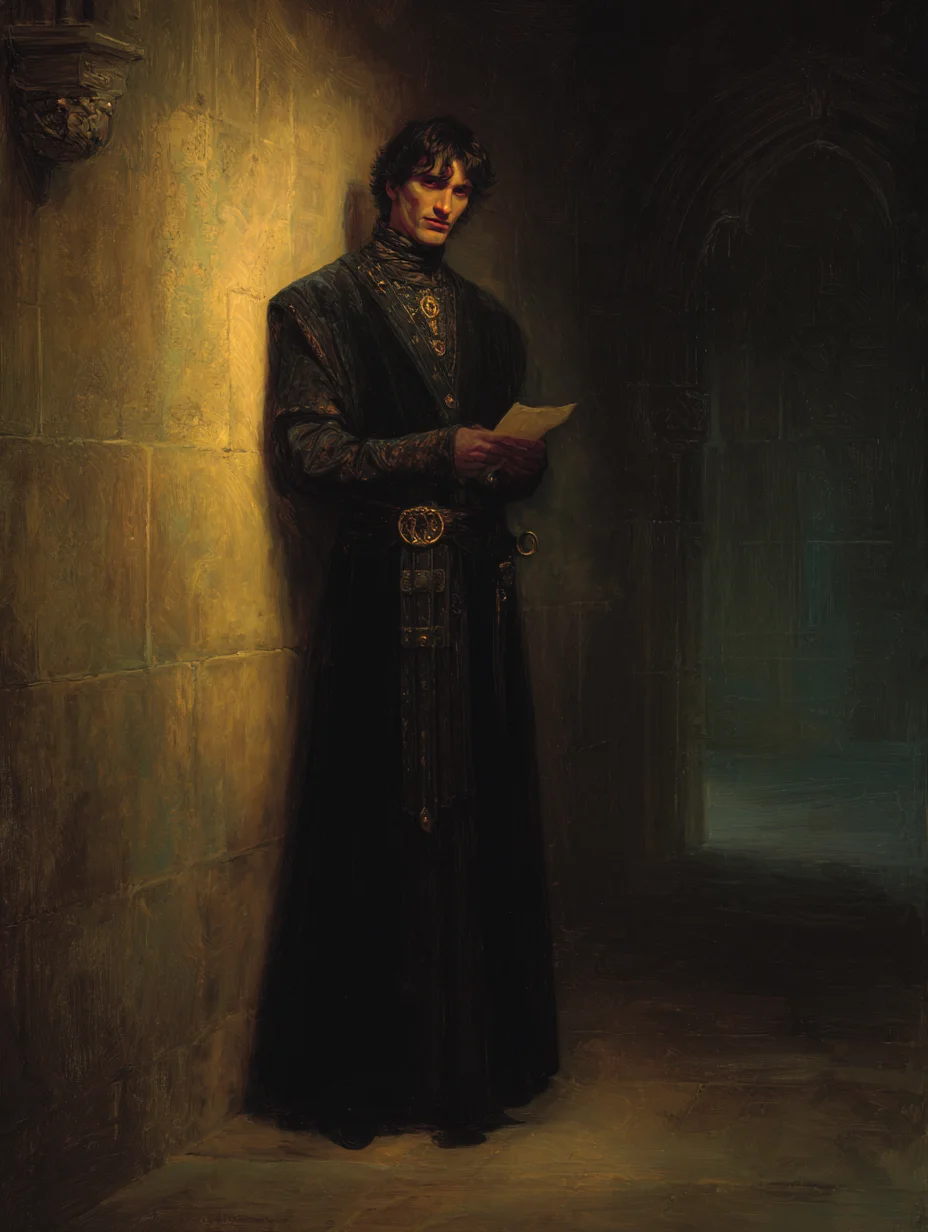
Mordred in Shadow

Mordred — The King's Shadow

He is Arthur's reflection in a dark mirror. Handsome where Arthur is noble, cunning where Arthur is just. A son raised on secrets and hatred, patient as poison.

The golden age ends not with a whimper, but with the clash of swords between father and son at Camlann.

The Battle of Camlann

Where All Was Lost

The armies face each other. Father and son. A truce is proposed — and broken when a knight draws his sword to kill a serpent. Both sides, nerves taut, interpret it as treachery.

The slaughter begins.

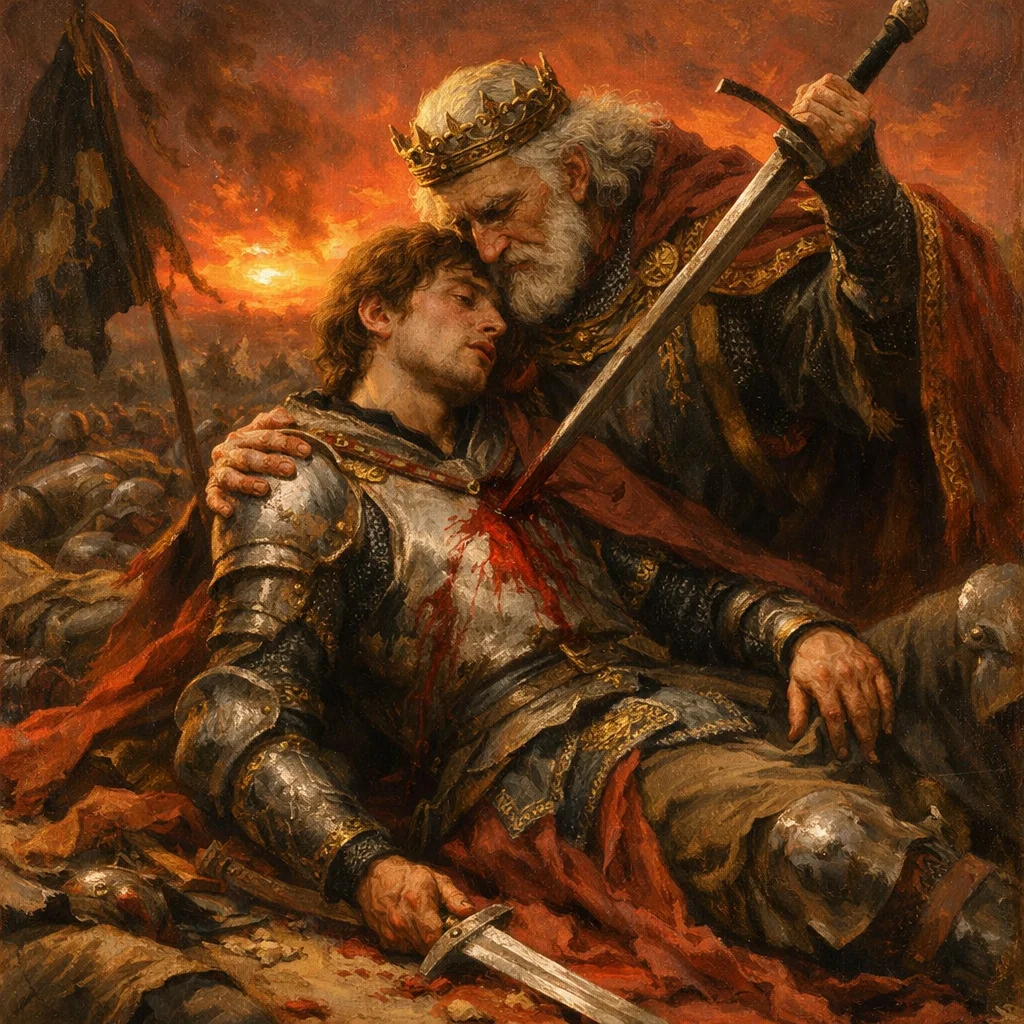
The Battle of Camlann

By day's end, the flower of British knighthood lies dead. The Round Table is broken. And in the final confrontation, Arthur drives his spear through Mordred — but Mordred, with his dying strength, delivers a mortal wound to his father.

Arthur
Mortally wounded
Mordred
Slain

The Passing of Arthur

To the Isle of Avalon

Sir Bedivere, one of the last knights standing, carries his dying king to the shores of a misty lake.

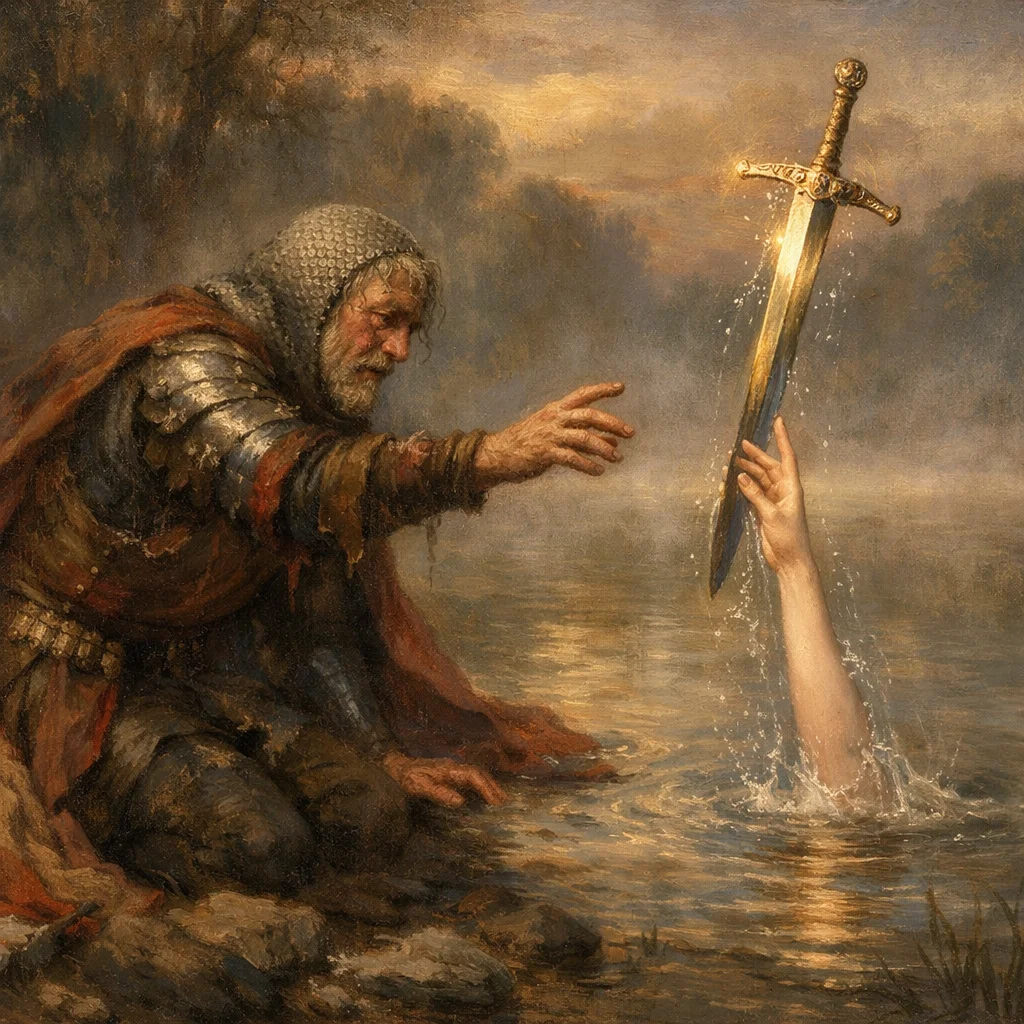
Arthur commands him to throw Excalibur into the water. Twice Bedivere hides the sword, unable to destroy such beauty. On the third command, he obeys — and a hand rises from the lake, catches the blade, and draws it under.

Excalibur Returned to the Lake

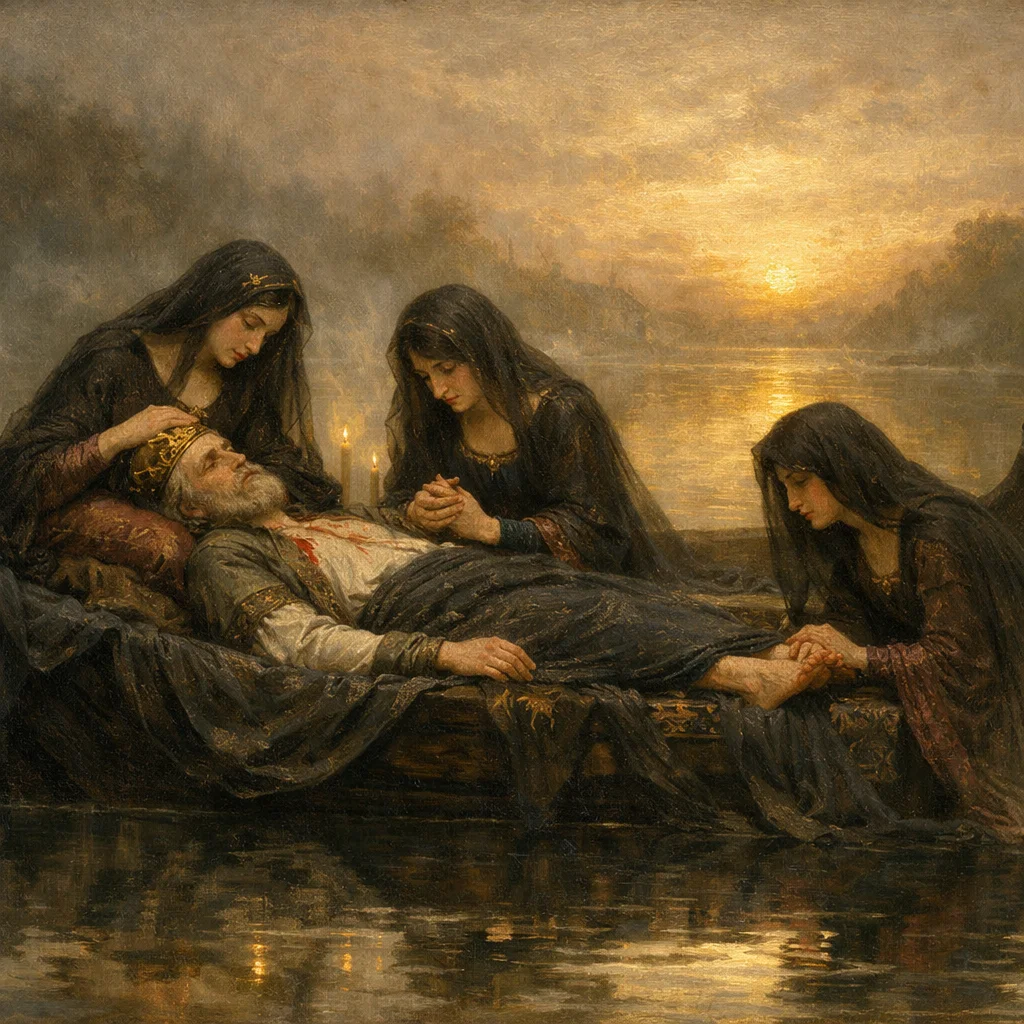
Then, through the mist, comes a barge draped in black. Upon it stand three queens, weeping. They receive Arthur and bear him away to Avalon — the isle of apples, where he may be healed of his wounds.

Morgan le Fay The Queen of Northgalis The Queen of the Waste Lands
"I will come again, for I shall heal me of my grievous wound."
— King Arthur's last words
The Barge to Avalon

The Promise

Rex Quondam
Rex Futurus

"The Once and Future King"

The Isle of Avalon

Arthur did not die. Or if he died, he sleeps still in Avalon, healing.

The legend says that in Britain's darkest hour — when all seems lost — he will return. The once and future king, rising to unite the land once more.

For over a thousand years, people have told this story. In monasteries and mead halls. In Victorian parlors and Hollywood studios. In video games and children's books.

Why does it endure?

Perhaps because we all long for a world where might serves right. Where the best of us sit as equals. Where even when the golden age falls — the promise of its return remains.

"The matter of Britain is not a story about the past. It is a story about hope — the hope that we might yet build Camelot."
— Anonymous

And somewhere, in the mists between legend and history,
a king sleeps — and waits.